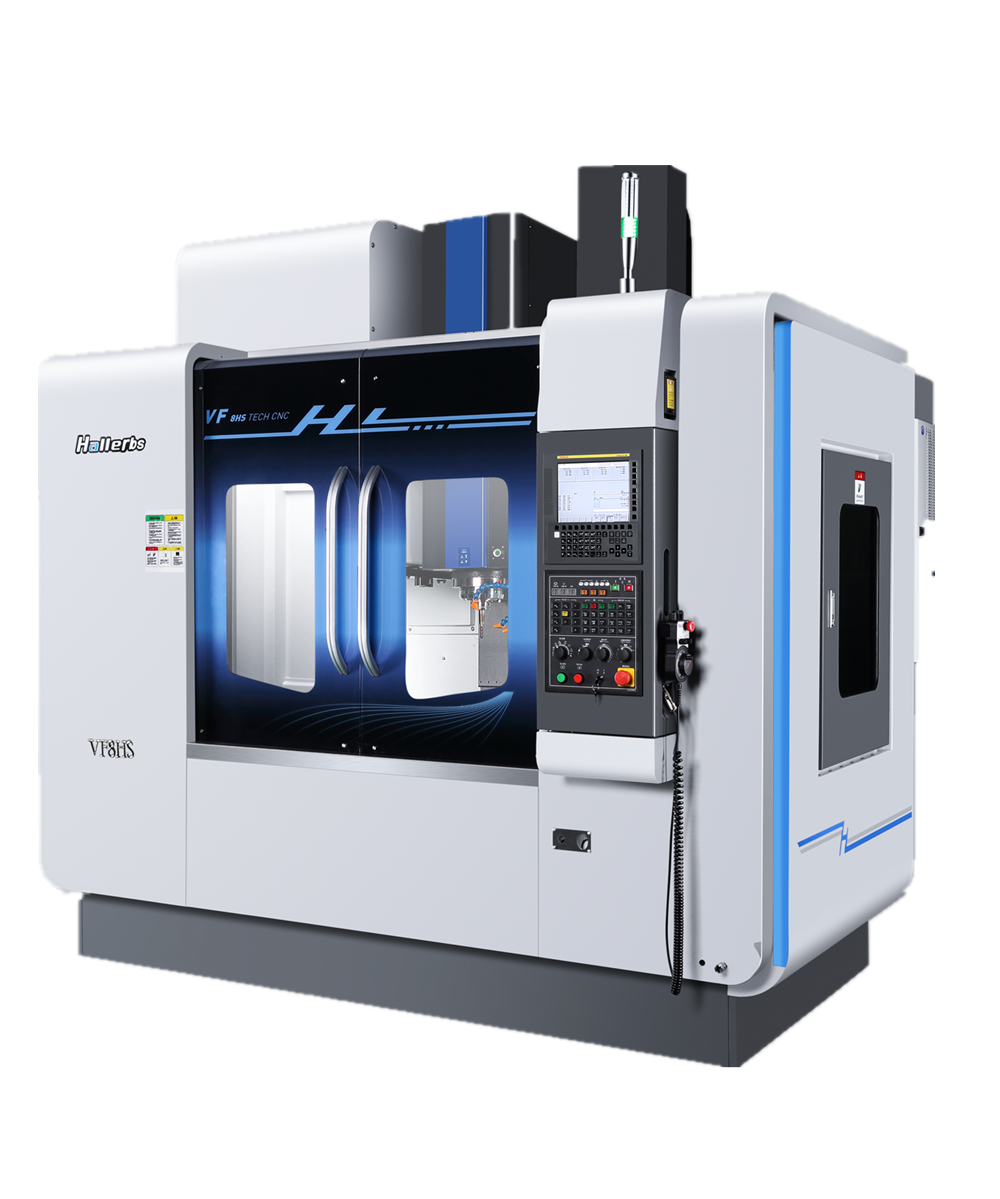
A hydraulic-component manufacturer was running ball-socket parts on a US-brand machine that was slow and inconsistent in precision. After switching to a HALLERBS HL-11HS, productivity rose about 15% — and, just as important, the accuracy got tighter and steadier. Here is the part, the benchmark, the result, and why it worked.
Can a Chinese machine beat an imported one on precision hydraulic parts? On this job it did both — faster and more accurate. On hydraulic ball-socket parts, a HALLERBS HL-11HS replaced a US-brand machine that ran slow with inconsistent precision, raising productivity about 15% while delivering tighter, more consistent accuracy. The HL-11HS holds 0.005 mm positioning and 0.004 mm repeatability to VDI 3441, with 64 m/min rapids and a hollow oil-cooled ballscrew for thermal stability. (We describe benchmark machines by origin and class rather than by brand.)
Ball-socket parts for hydraulic systems demand consistent accuracy — every part, all shift. On the incumbent US-brand machine, two problems compounded: it was slow, and its precision drifted from part to part. Inconsistent accuracy on a precision part is the worst kind of problem — it shows up downstream as scrap and rework.
The HL-11HS attacks both problems at once: faster rapids for throughput, and a thermally stable structure that holds accuracy from the first part to the last.
Higher rapid traverse cuts the non-cutting time that dominated the slow incumbent's cycle — the direct source of the productivity gain.
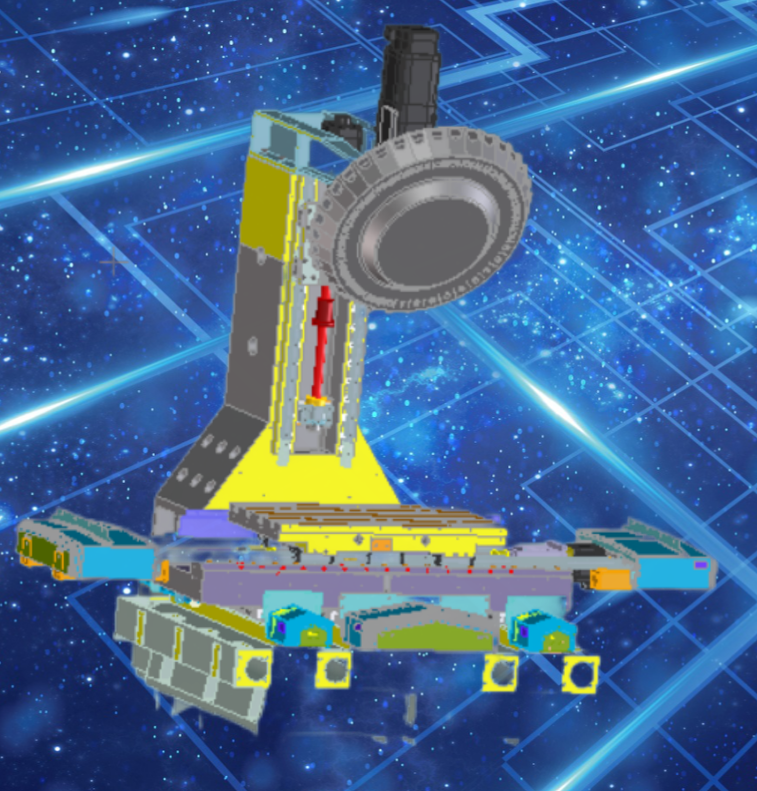
A standard hollow oil-cooled ballscrew controls thermal expansion, so accuracy stays put across a full shift instead of drifting.
Tighter, repeatable accuracy means fewer out-of-tolerance parts — the saving that doesn't show on the cycle clock but shows on the P&L.
Measured on the customer's live hydraulic line, replacing the US-brand machine on the same ball-socket parts.
Consistent precision on a precision part is a thermal-stability problem before it is a metrology problem. The HL-11HS is built for it:
For the full engineering story — casting, cooling, FEM and the 14-point inspection — see how we build them.
Will I get 15% on my hydraulic parts? It depends on your part, your current machine and your accuracy spec. Send your part drawing, current cycle time and tolerance and our engineers will estimate the realistic gain on your job.
Why not name the customer or the benchmark brand? Customer identities are withheld under NDA, and we describe benchmark machines by origin and class rather than by brand.
How much does the HL-11HS cost versus an imported machine? HALLERBS machines typically cost 20–30% below imported equivalents. Combine that with steadier accuracy and less downstream scrap, and the total cost per good part drops further. Installation, training, spares and remote support are included.
Send your part drawing, current cycle time and tolerance — our engineers will model the realistic gain and propose the right machine and a quotation.