On a live production line, a tier-1 automotive OEM ran a heavy structural part on an imported large-format machine at 11 minutes 31 seconds per part. After switching to a HALLERBS HL-1880, the same part came off the machine in 9 minutes 25 seconds — about two minutes faster, every part, every shift. Here is the part, the benchmark, the result, and the engineering reason it worked.
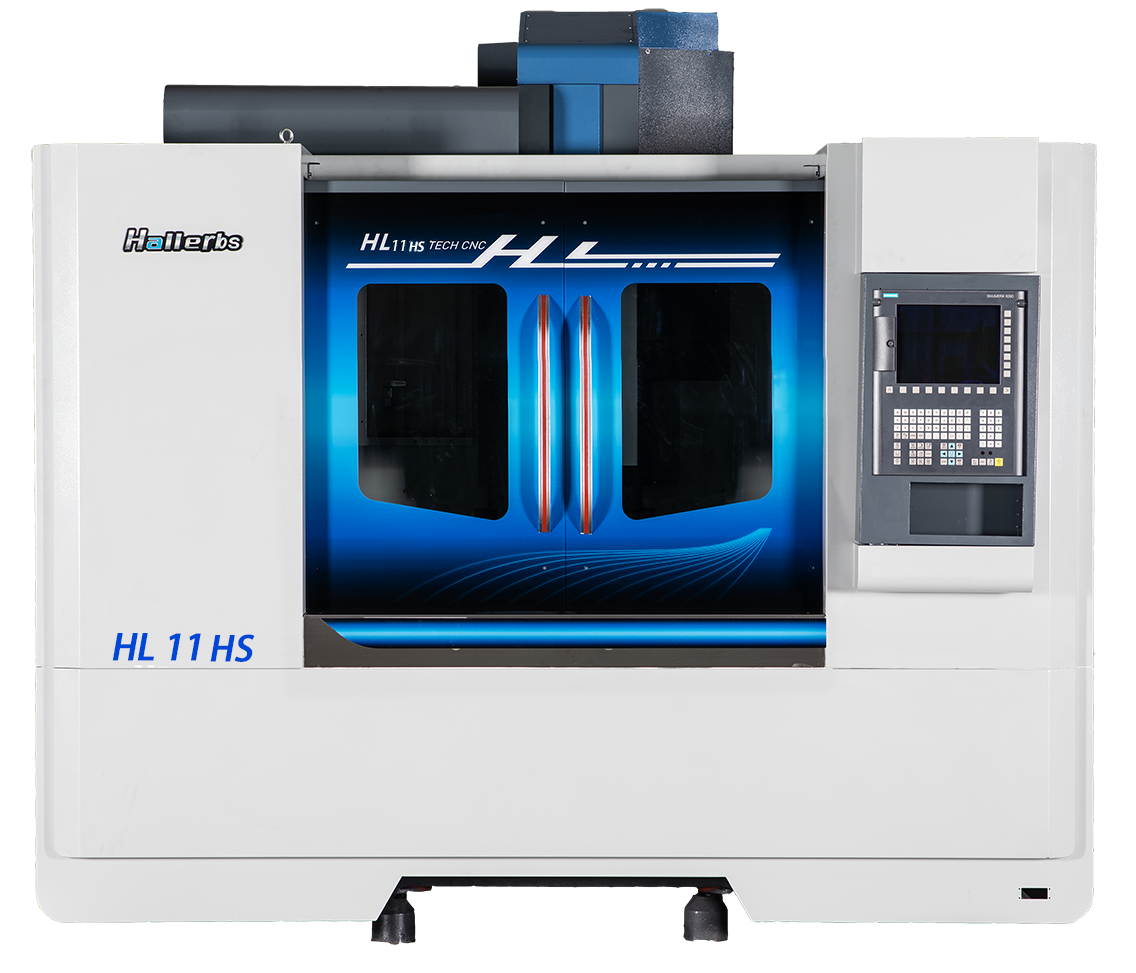
Can a Chinese large-format VMC replace an imported machine on big structural parts? Yes. On a live line at a tier-1 automotive OEM (name withheld under NDA), a HALLERBS HL-1880 large-format vertical machining center replaced an imported large machine on a heavy automotive structural part and cut the cycle from 11m 31s to 9m 25s — about 2m 06s per part, an ~18% throughput gain on the same part — while occupying a footprint roughly one-third smaller. The gain came from a more rigid casting that takes heavier cuts, plus faster tool change and less clamping time.
The part is a large automotive structural component — the kind of big, multi-feature casting that usually pushes shops toward a gantry mill or an oversized imported machining center. The customer was running it on an imported large-format machine, and the line was cycle-time-bound: at 11m 31s per part, throughput per shift capped the whole cell.
What was the machine being replaced? The incumbent was an imported large-format machine from a well-known overseas builder. It held the part fine, but two things hurt cycle time: tool changes were slow, and clamping/setup on a part this size ate into every cycle. It also carried a large footprint — a real cost when you are trying to fit more capacity into the same cell. (We describe benchmark machines by origin and class rather than by brand.)
The HL-1880 is a large-format "carrier-class" VMC built specifically to replace a gantry mill for big structural parts — without the gantry's floor space, install effort or shipping cost. Versus the class of machine it replaces, the HL-1880 brings:
On a part with many features, every tool change is dead time. Cutting tool-change time roughly in half directly attacks the largest chunk of non-cutting time in the cycle.
Reduced clamping and setup time on a large part means more of each cycle is spent cutting and less is spent handling — and operators load the machine faster and more safely.
Carrier-class capacity in a footprint about one-third smaller than the class it replaces. Easier to line up into a cell, simpler to install, and cheaper to ship.
Measured on the customer's live production line, on the identical part — not a lab demo. About two minutes saved on every part, every shift, on the same floor space.
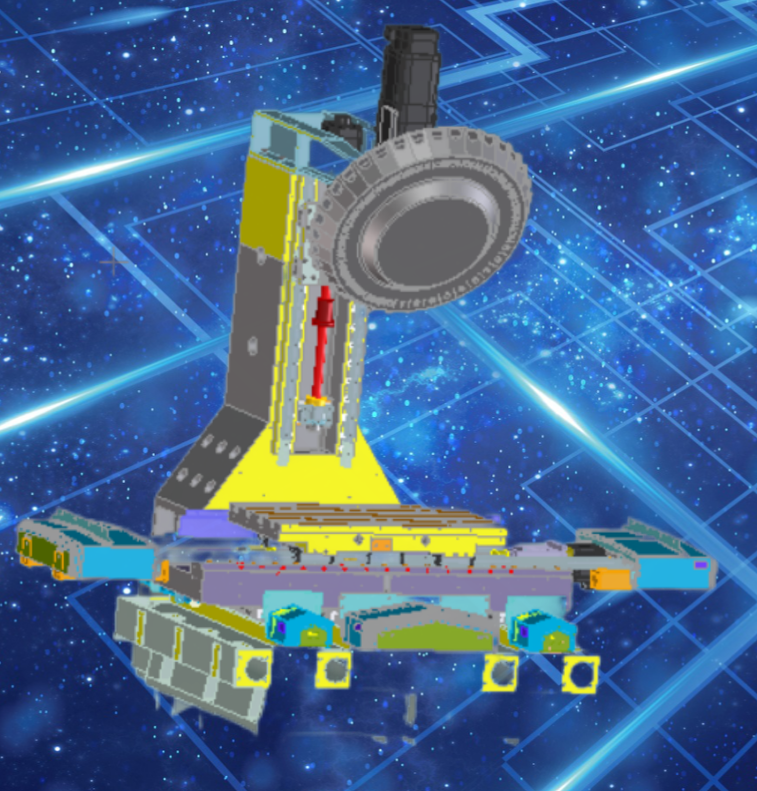
A faster cycle on a heavy part is not won with rapid traverse alone — it starts with a machine rigid enough to take a deeper, more stable cut without chatter. That is a casting and structure story:
For the full engineering story — casting, cooling, FEM and the 14-point precision inspection run on every machine — see how we build them.
Is the 18% gain a real production number or a lab figure? It was measured on the customer's own live production line, on the identical part, before and after the machine change — 11m 31s on the imported machine, 9m 25s on the HL-1880. It is a production figure, not a demo.
Why won't you name the customer or the benchmark brand? Customer identities are withheld under NDA, and we describe benchmark machines by origin and class rather than by brand. The numbers and the part are what matter for your own evaluation.
Will I get the same 18% on my part? Not necessarily — the gain depends on your part, your current machine and your cycle. The honest way to know is to model it: send your part drawing, current cycle time and volume, and our engineers will estimate the realistic gain on your specific job.
How much does the HL-1880 cost versus an imported large machine? HALLERBS machines are benchmarked against European, Japanese and US top brands and typically cost 20–30% below imported equivalents. The right comparison is total cost per good part — combine the lower capital cost with the ~18% throughput gain seen here and the payback case is strong. Installation, training, spares and remote support are included.
Send your part drawing, current cycle time and volume — our engineers will model the realistic gain and propose the right machine and a quotation.