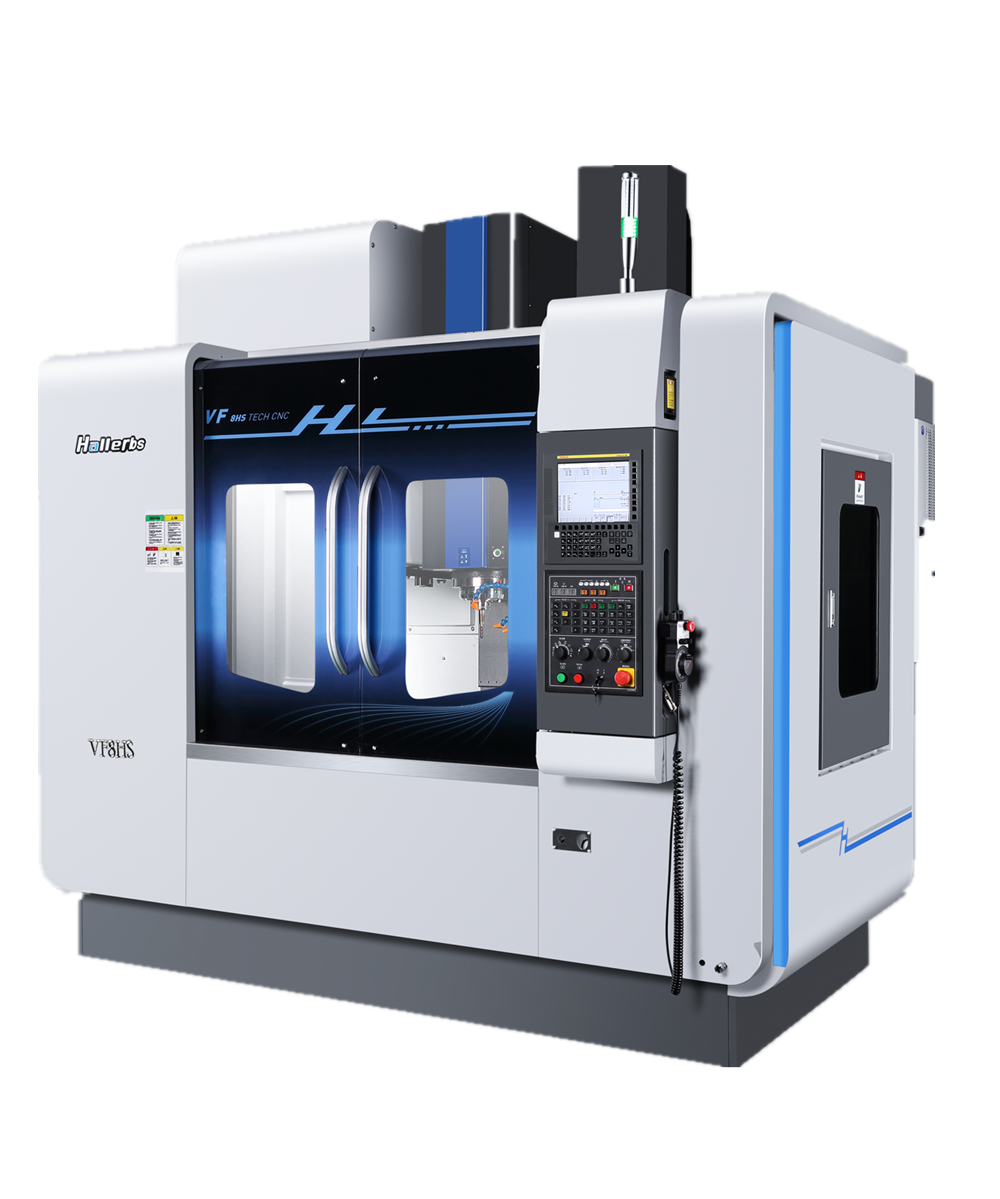
A pneumatic-component manufacturer was limited on cast box / housing parts by a Korean-brand machine. After switching to a HALLERBS HL-745S — a high-torque BT30 spindle rated 118 N·m that rivals a BT40 — the line ran about 20% more efficiently, with more parts held per fixture. Here is the part, the benchmark, the result, and why it worked.
Can a BT30 machine handle cast housings as well as a BT40? On this job, yes. On a live pneumatic-housing line, a HALLERBS HL-745S replaced a Korean-brand machine and raised line efficiency by about 20%. Its high-torque BT30 spindle (118 N·m) rivals a BT40 on cast box / housing work, while staying lighter and faster on tool change and positioning — and it holds more parts per fixture, so handling time drops too. (We describe benchmark machines by origin and class rather than by brand.)
The parts are cast box / housing components for pneumatic equipment — prismatic, multi-face, machined at volume. On the incumbent Korean-brand machine, the customer was constrained: limited spindle capability meant lighter cuts and fewer parts per fixture, capping how much the cell could turn out per shift.
The HL-745S pairs a high-torque BT30 spindle with the rigidity to use it. The result is a machine that cuts cast housings like a heavier BT40 machine, while keeping the speed advantages of a lighter spindle.
A 118 N·m BT30 spindle takes deeper, more stable cuts on cast iron — the direct driver of shorter cycles on housings.
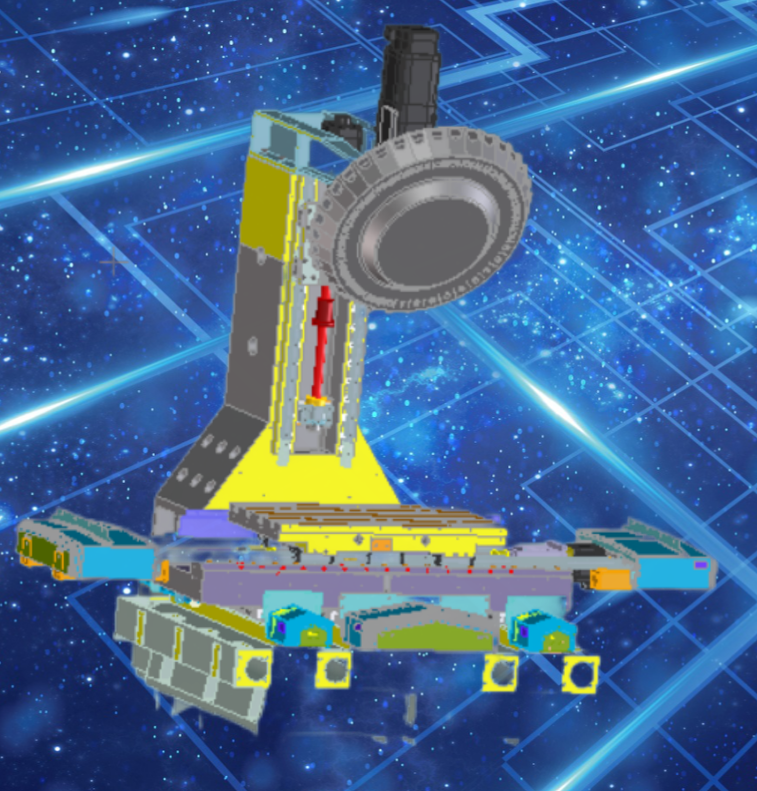
Higher rigidity and a well-judged work envelope let the customer clamp more parts per setup, cutting load/unload time across the shift.
The HL-745S integrates cleanly into an automated machining island, so the efficiency gain compounds across the whole line.
Measured on the customer's live pneumatic-housing line, replacing the Korean-brand machine on the same parts.
A high-torque spindle only helps if the machine is rigid enough to put that torque into the cut without chatter. That is the HL-745S story:
For the full engineering story — casting, cooling, FEM and the 14-point inspection — see how we build them.
Will I get 20% on my housings? It depends on your part, your current machine and your fixturing. The honest way to know is to model it — send your part drawing, current cycle time and volume and our engineers will estimate the realistic gain on your job.
Why not name the customer or the benchmark brand? Customer identities are withheld under NDA, and we describe benchmark machines by origin and class rather than by brand.
Can the HL-745S run inside an automated cell? Yes — it is built to integrate into automated machining islands with washing, leak-test and marking stations. See Service & Support for line integration.
Send your part drawing, current cycle time and volume — our engineers will model the realistic gain and propose the right machine and a quotation.