The most common objection to buying a machining center from China isn't the machine — it's "what happens when it needs support, thousands of kilometres away?" It's a fair question, and it has a concrete answer. This guide covers how after-sales support actually works for an imported CNC machine: remote diagnostics across time zones, genuine spares and a recommended on-site kit, why mainstream controls matter, and the questions to settle in writing before you buy.
How does after-sales support work for a CNC machine bought from China? Most issues are diagnosed remotely — the maker connects to the control or works from photos, alarm codes and video, then guides your team through the fix or ships the right part. Genuine spare parts keep the machine in original condition, and a recommended spares kit held on site means common wear items are on hand. Because the controls are mainstream — Siemens, FANUC or Mitsubishi — local technicians can support the machine too. This is the supporting deep-dive to our guide on importing a CNC machine from China safely.
Downtime is expensive everywhere, but distance makes it feel riskier. The answer isn't to be lucky — it's to design support into the purchase: agree the diagnostic channel, stock the right spares on site, choose a machine on a control your region already knows, and put the warranty and response terms in writing. Do that, and an imported machine is no harder to keep running than a local one.
Alarm codes, photos and a video call resolve the majority of issues without anyone flying anywhere — fast, across time zones.
A recommended kit of high-wear items held on site turns a week-long wait into a same-day swap. The cost of the kit is small against the cost of a stopped line.
Siemens, FANUC and Mitsubishi have global service and parts networks, so local technicians can support the machine and core components are widely available.
A serious export supplier supports the machine for its whole life, not just to the loading dock:
When a machine runs Siemens, FANUC or Mitsubishi, you are buying into a control your programmers may already know, that local service engineers can support, and whose drives, motors and boards are stocked through global distribution. That turns "imported machine" into "familiar control on a new frame" — and it is why specifying the control brand is one of the most important support decisions you make, well before the machine is built. HALLERBS builds on these mainstream controls for exactly this reason.
What should I ask about support before I buy? Settle these in writing: What remote diagnostics are offered, and how fast? Which control does the machine use, and is it a mainstream brand with local support? What genuine spares are stocked, and what is the lead time? What spares kit is recommended to hold on site? Are installation, commissioning and operator training included? And how are warranty claims handled across the distance? A supplier that answers these clearly is one that has supported overseas machines before.
Remote diagnostics, genuine spares and mainstream controls keep an imported line running for years.
Support starts at handover — see Installation & Commissioning and the full Service & Support scope.
Can I get spare parts for an imported CNC machine? Yes. The maker supplies genuine spares to keep the machine in original condition, and the core control and drive components (Siemens / FANUC / Mitsubishi) are available through global networks. Holding a recommended spares kit on site for high-wear items minimises downtime.
How fast can a problem be diagnosed from another country? Most faults are diagnosed remotely — by control connection, alarm codes, photos and video — often the same day. A remote-first approach plus an on-site spares kit resolves the majority of issues without travel.
Does the control brand really affect support? Significantly. A mainstream control (Siemens / FANUC / Mitsubishi) means your programmers may already know it, local engineers can service it, and parts are globally stocked — so specify the control brand before the machine is built.
What about warranty on a machine running overseas? Agree the warranty term and the response approach in writing before purchase, alongside the spares and diagnostics plan. Settling support terms up front is part of de-risking the whole import.
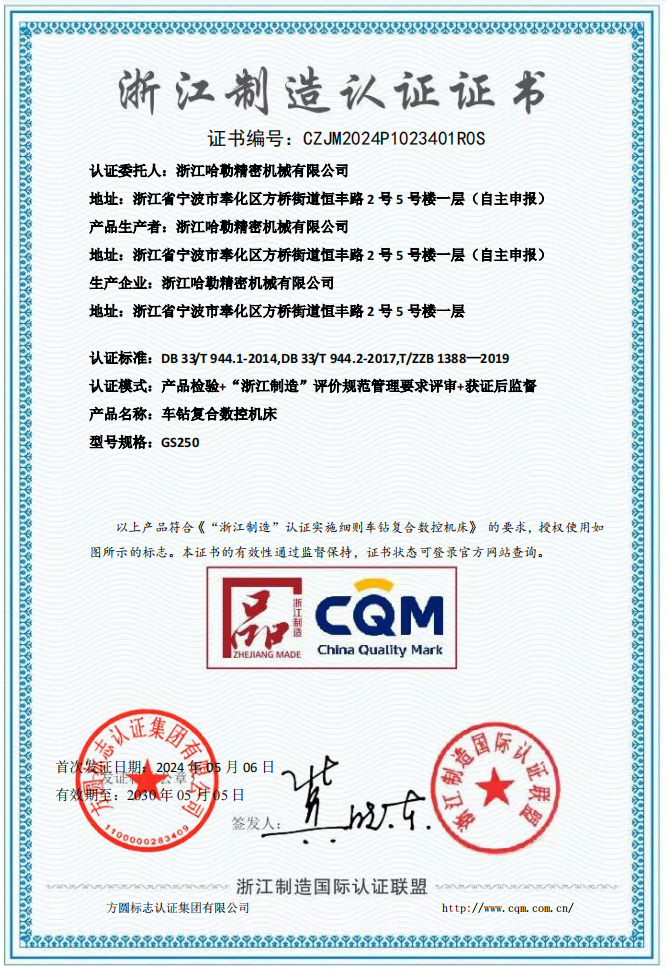
The full de-risking checklist this support guide sits inside.
READ ›
How the machine is set up and signed off before support begins.
READ ›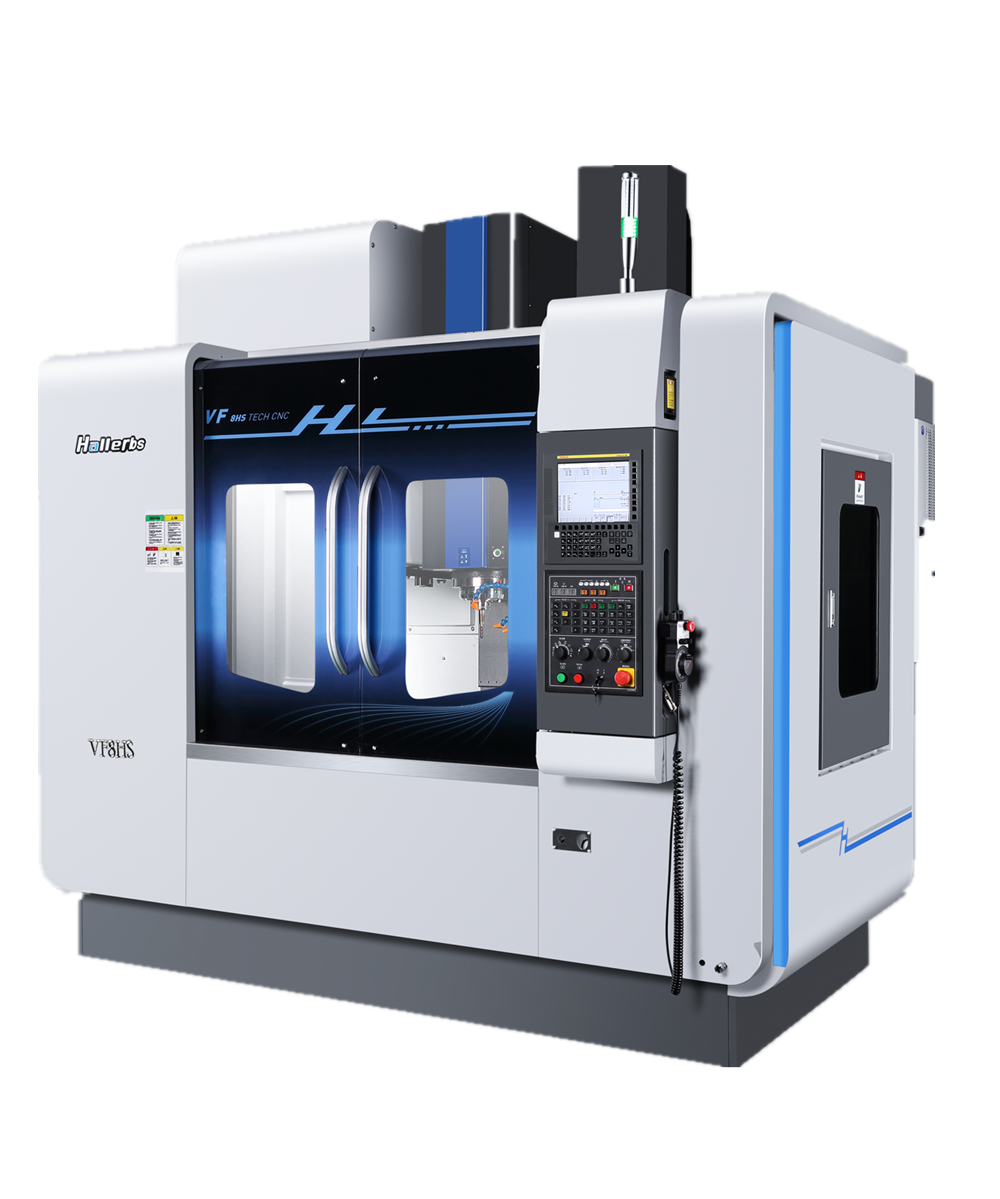
All seven lifecycle services, from survey to spares.
EXPLORE ›Tell us your machine and your region. We'll set out the remote-diagnostics approach, the recommended spares kit, the control options and the warranty terms — in writing, before you commit.