Both machines can cut a wheel hub. The question is not "which can," but "which earns more per shift." This guide settles it on unit economics — cycle time, setups, flexibility, capital and floor space — and shows the parts-per-shift math behind a dedicated machine's 35% cycle-time advantage on a high-volume hub.
Should I machine wheel hubs on a dedicated center or a general-purpose VMC? It comes down to volume and mix. While your volume per hub is moderate or your part mix is varied, a general-purpose VMC is the flexible, cost-effective choice — one machine runs many parts. Once a single hub runs in high, stable volume on a fixed line, a dedicated wheel-hub center pays for itself in cycle time: the HALLERBS HL-666 cuts cycle time by up to 35% versus a standard VMC on the same hub. That is more parts per shift in the same floor space — the lever that decides unit economics at scale. This is the supporting comparison to our complete wheel hub machining guide.
Fixturing, spindle and axis layout are optimized for hub geometry. The payoff is shorter tool paths and fewer setups, which compound into cycle time on every single part — exactly what high volume rewards.
A configurable machine built to run a wide range of parts rather than one geometry. It trades the per-part speed of a dedicated machine for the flexibility to take on whatever the shop needs next.
You are trading flexibility against throughput. The right answer is set by how many of one hub you make, how stable that design is, and what one second of cycle time is worth at your volume.
Your part mix is varied; volume per hub is moderate; the hub design is still changing; or you need one machine to cover several part families. Flexibility is worth more than peak speed here.
A single hub runs in high, stable volume on a fixed line; cycle time is the bottleneck; and floor space or headcount limits adding machines. Throughput per square metre is what you are buying.
Many plants run dedicated centers on their highest-volume hubs and general-purpose VMCs for everything else. The two are complementary, not either/or.
This is where the decision is actually made. Throughput is set by cycle time, and at high volume small cycle-time differences dominate everything else:
Plug in your own hub volume and cycle time and the crossover point becomes obvious. Our engineers will model it with your real numbers — see the method in the wheel hub machining guide and the broader machine-selection logic in the general-purpose CNC guide.
The HALLERBS HL-666 is a specialty center configured to hub geometry on the same flagship platform — engineered to run a high-volume line around the clock.
For varied or lower-volume work, the same platform offers general-purpose VMCs such as the HL-V856S — see the general-purpose CNC guide.
How much more does a dedicated wheel-hub center produce than a VMC? A 35% cycle-time reduction raises output by roughly 1.5x on the bottleneck operation — about 54% more parts per shift for the same run time (1 / 0.65 ≈ 1.54). At high volume that often decides whether you need a second machine at all.
When is a general-purpose VMC the better choice for hubs? When your part mix is varied, volume per hub is moderate, or the hub design is still changing. Flexibility to run many parts on one machine outweighs per-part speed until a single hub reaches high, stable volume.
Does a dedicated center cost more than a VMC? Purchase price is only part of it. The right comparison is cost per good part over the machine's life — at high volume a dedicated center's throughput usually beats buying, staffing and floor-spacing additional general machines to match its output.
Can the same machine do hubs and other parts? A general-purpose VMC can; a dedicated center is optimized for the hub and earns its keep through volume. Many plants run both — dedicated for the high-volume hub, general-purpose for the rest. Send us your hub and volume and we'll model the right mix.
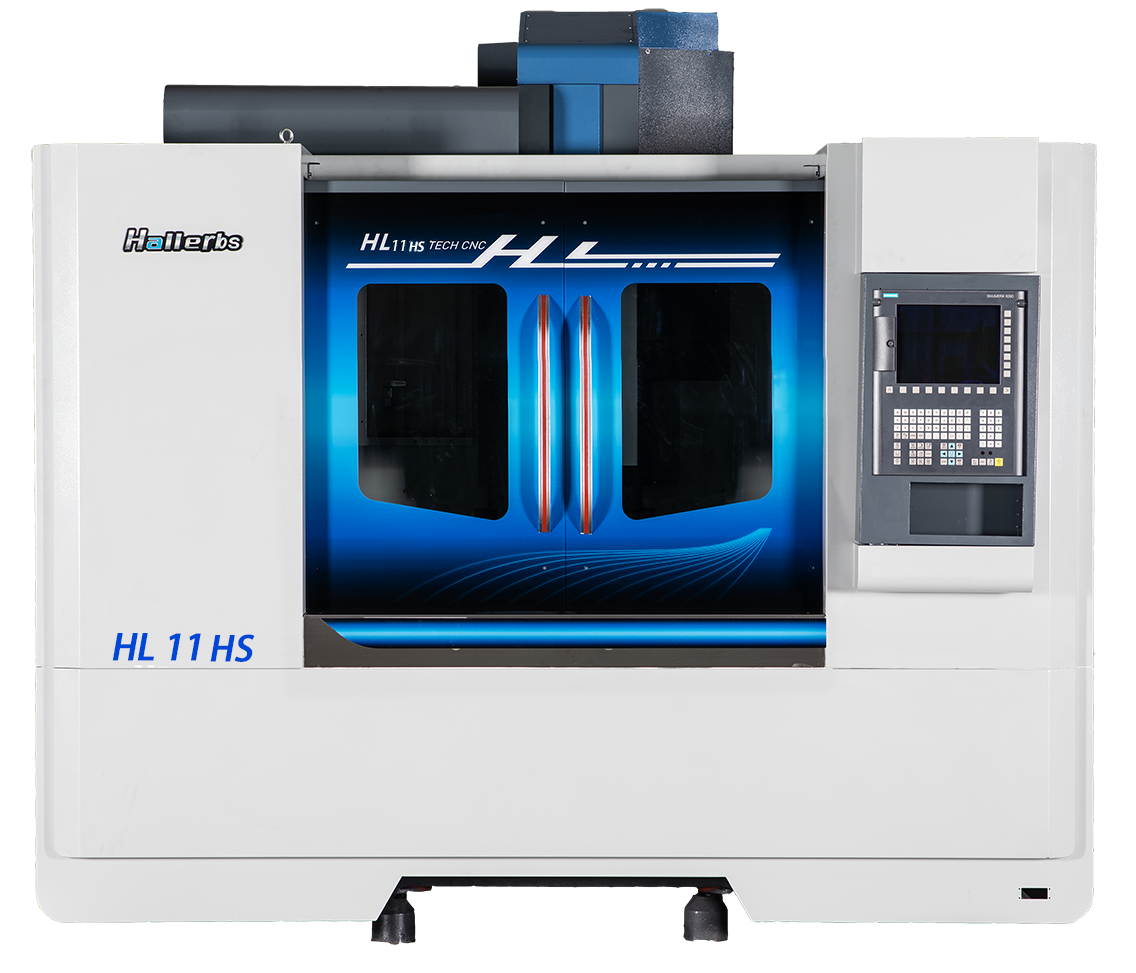
Process, tolerances and the dedicated-machine case in full.
READ ›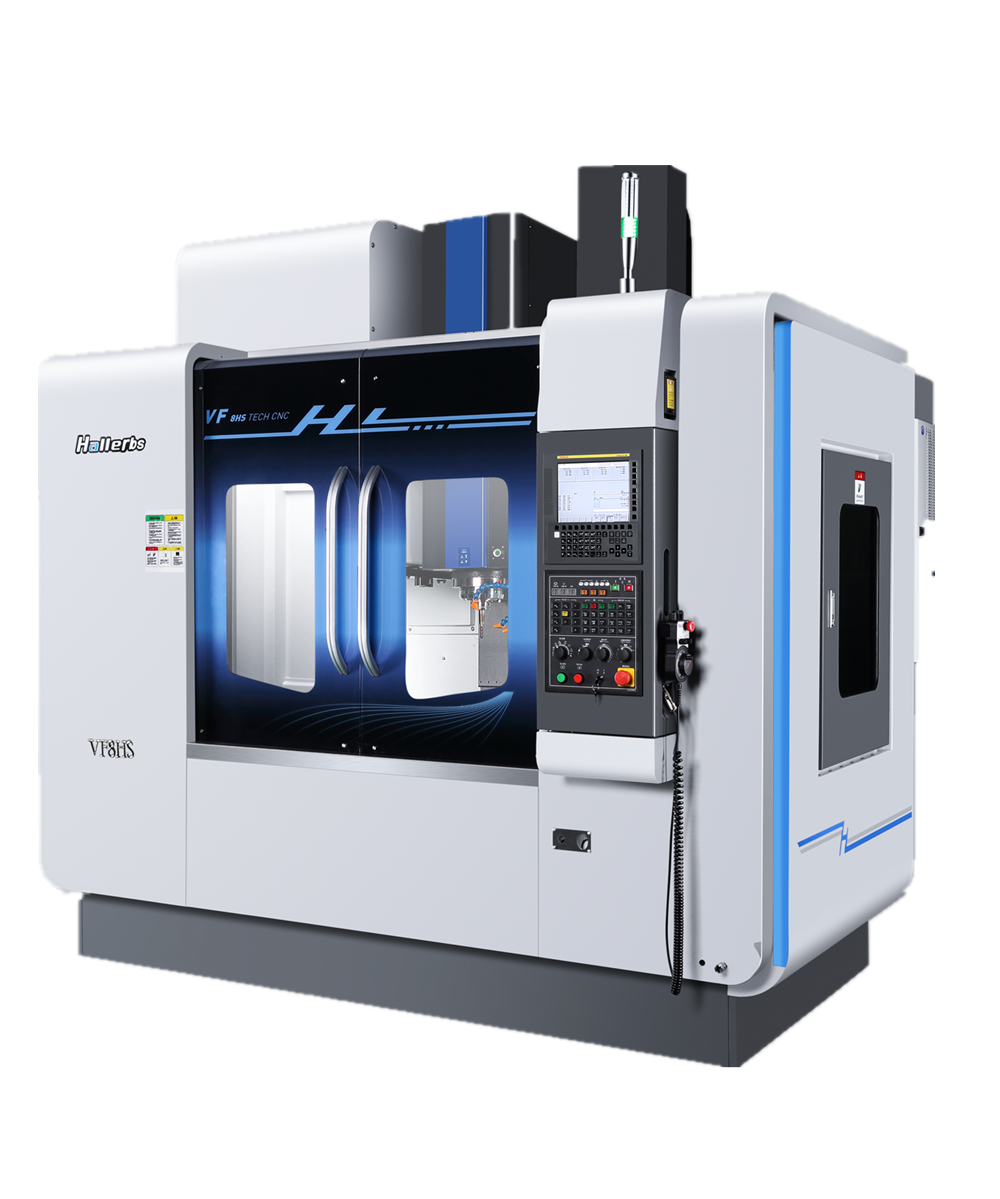
When flexibility is the right call — VMC, drill-tap or lathe.
READ ›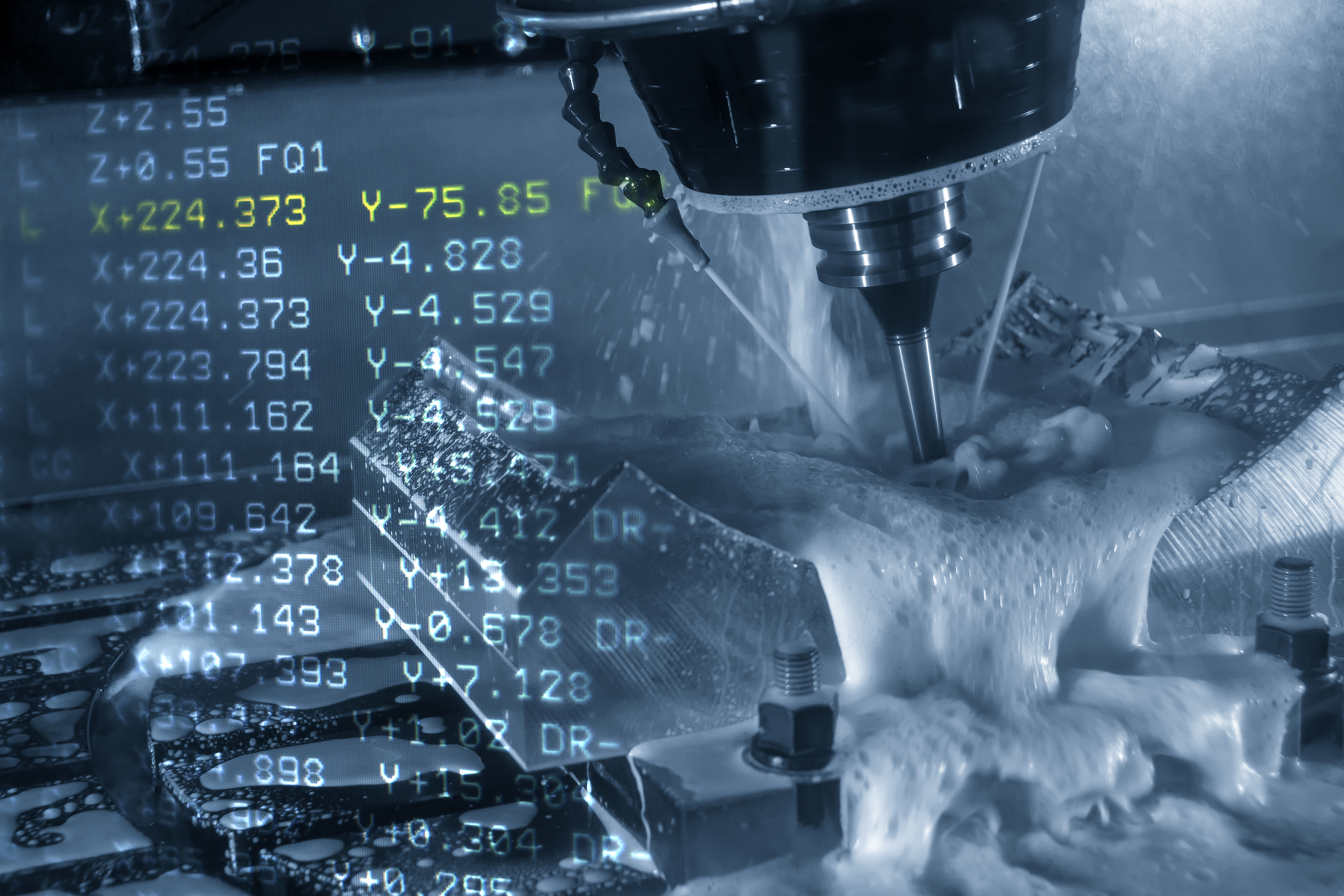
The dedicated machine behind the 35% number.
EXPLORE ›Send your hub drawing, target cycle time and annual volume. Our engineers model dedicated vs general-purpose on your real numbers and recommend the machine that wins on cost per part — or ask the assistant in the corner.